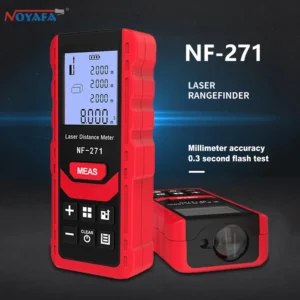
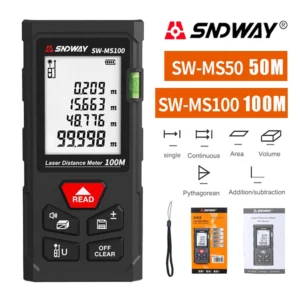
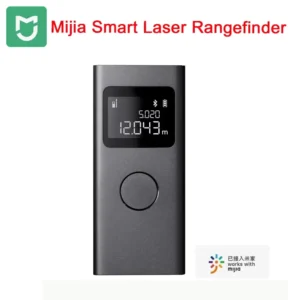
Independent guides · no sponsored rankings

Laser distance meters, explained by people who measure buildings for a living

How a laser meter works, what the numbers on the box mean, and how to pick one for your job — written from twenty years of measuring apartments, offices and building sites.

Specifications on this site come from manufacturer documentation. Where we link to a store we say so.

Start here

Beginner's guide

What a laser distance meter is, when it beats a tape, and the handful of terms you need before comparing models.

How it measures

Time-of-flight and phase-shift in plain words, why the target surface matters, and what limits accuracy indoors and outdoors.

Choosing the right one

Range, accuracy, Bluetooth, IP rating and battery — which of them matter for your work and which are marketing.

Documented laser meters

Why these →

Only models with a manufacturer page or manual behind their figures. No prices on this site; the button opens today's listing.
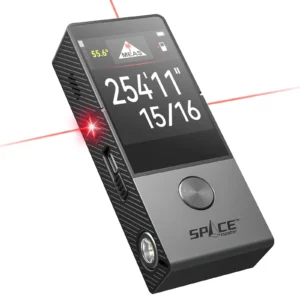
Compare their specifications

Calculators

All five →

The arithmetic your meter does on its display — area, volume, unit conversion, indirect height and what a ±2 mm tolerance really means — as browser tools, nothing sent anywhere.

Buying guides

All guides →

What is a laser distance meter

This professional guide provides a comprehensive overview of laser distance meters, their operation, benefits, and applications. It answers questions about what a laser distance meter is,…

4 min read

How Does a Laser Distance Meter Work?

How Does A Laser Distance Meter WorkA laser distance meter, like the name suggests, is a distance measuring device that employs a laser beam to gauge…

5 min read

Different types of laser distance meter

This professional guide explores the various types of laser distance meters, explaining their functions, applications, and benefits. From construction to interior design, these invaluable tools make…

5 min read

Common applications of laser distance meter

This professional guide explores the common applications of laser distance meters, a versatile tool extensively used in various industries such as construction, real estate, and manufacturing.…

5 min read

Choosing the right laser distance meter

This professional guide provides key insights into selecting the appropriate laser distance meter for various applications. It equips readers with the necessary knowledge to make informed…

6 min read

Tips for using laser distance meter

This guide provides comprehensive tips on effectively using a laser distance meter. It covers the basics of operating the device, safety precautions, and tactics to get…

5 min read

Who writes this

Twenty years of measuring other people's buildings

Laser-Meter.com is published by the team behind PLANS, an interior-measurement practice in Israel. Since 2006 we have produced as-built plans for apartments, offices and construction sites, and a laser distance meter has been in our hands on every one of those jobs.

That experience shapes what we write about: the mistakes that cost a re-visit, the features that actually get used, and the ones that never leave the menu. We do not run a test lab and we do not pretend to; where a number matters we cite the manufacturer's documentation.

About the team

How we work

  • Specifications are quoted from manufacturer datasheets, with a link and the date we checked them.
  • We never show a price as fixed; stores change them daily, so we link and let you check.
  • Links to partner stores are marked as sponsored. They never change what we recommend.
  • Field notes describe our own use on real jobs and are labelled as such.

From the academy

All articles →

Why Use a Laser Distance Meter

Why use Laser Distance MeterFor several years now, the market has been filled to the brim with laser technology length gauges. Today, the most popular technology…

6 min read

Laser-Meter.com is reader-supported. Links marked as sponsored lead to partner stores (currently AliExpress); if you buy through them we may earn a commission at no extra cost to you. Specifications come from manufacturer documentation, not from store listings.